
Categories

In This Post
What Is an Emergency Fund?
How Much Should You Save in an Emergency Fund?
How To Calculate Your Emergency Fund Goal
Where Should You Keep Your Emergency Fund?
Why Emergency Savings Matter in 2026
Key Takeaways
____________
Ask 10 financial experts how to win with money, and there’s a good chance you’ll get 10 different answers. But one thing they’ll likely agree on is the need for an emergency fund.
Whether you're just starting your savings journey or trying to strengthen your financial safety net, understanding how much emergency savings you need can help you prepare for life's unexpected expenses.
What is an Emergency Fund?
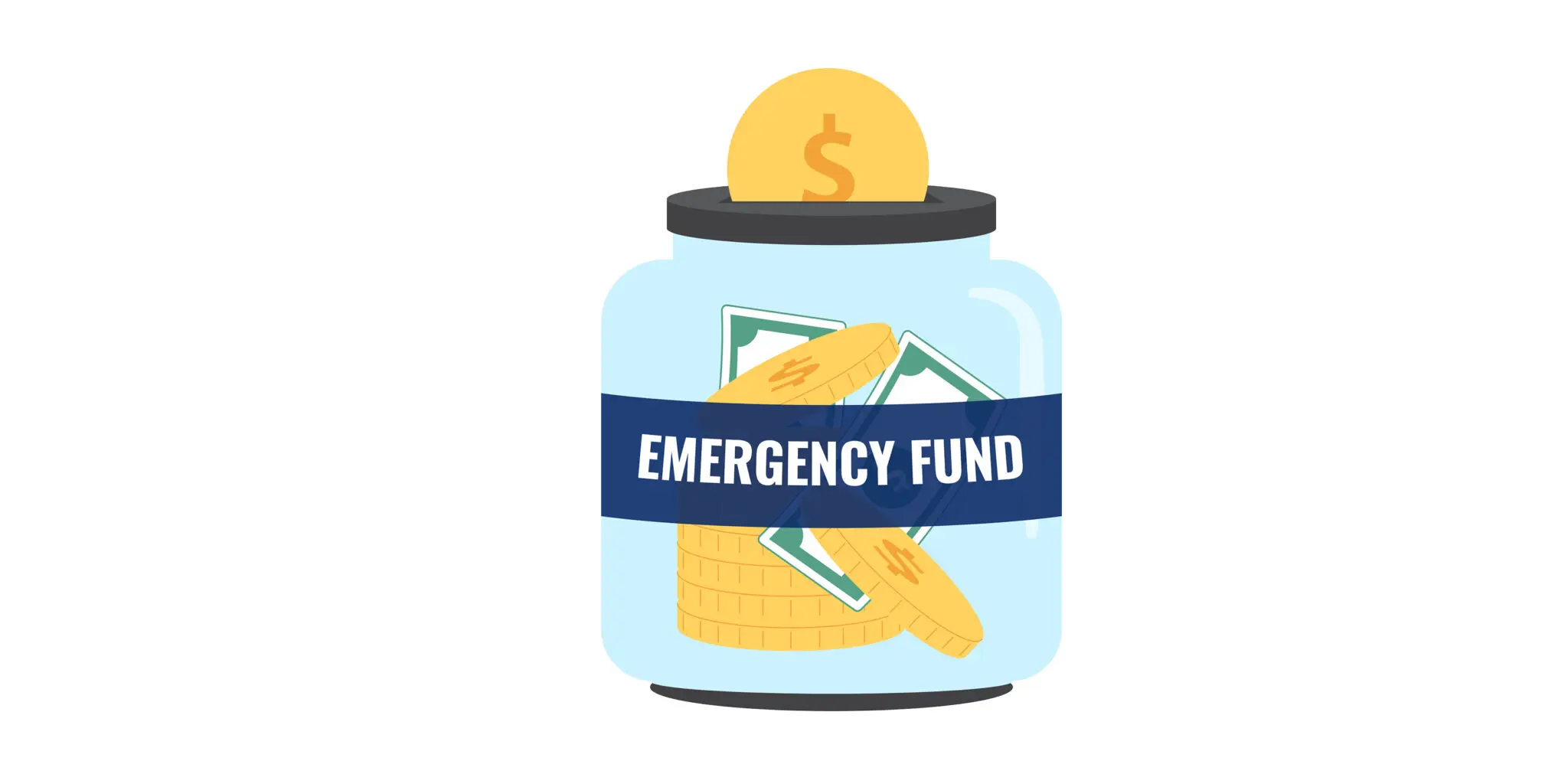
An emergency fund is money set aside for unexpected financial situations. Unlike money that you save for vacations, holidays, or major purchases, an emergency fund is intended to cover expenses that arise suddenly and need immediate attention.
An emergency fund can help you cover the costs of medical emergencies, unexpected job losses, major car or home repairs, emergency travel, family emergencies, and other unplanned expenses.
Having an emergency savings account can help you steer clear of high-interest credit cards or loans when life throws you a curveball.
How Much Should You Save in an Emergency Fund?
As with any financial advice, the answer depends on your individual situation. That said, the following guidelines give you a clear path to follow.
Starter Emergency Fund ($1,000-$2,000)
If you’re currently paying down debt or building a new savings habit, start with an emergency fund of at least $1,000. It may take some time, but it’s an achievable goal for almost any income level.
This amount can cover minor medical bills, vehicle repairs, emergency travel, or unexpected household expenses. When you know that you have the money to cover the most common “what-ifs,” you can breathe easier.
Standard Emergency Fund (3-6 Months of Expenses)
Most financial professionals recommend saving three to six months of essential expenses. That includes housing payments, utilities, groceries, insurance premiums, transportation costs, and minimum debt payments.
With this amount set aside, you’ll be able to navigate a job loss or significant life event with a little less stress.
Strong Emergency Fund (6-12 Months of Expenses)
If you want to give yourself a big financial cushion, saving 6-12 months of expenses is a solid goal. This is especially useful for self-employed professionals, freelancers, single-income households, and individuals working in industries with unpredictable employment.
How To Calculate Your Emergency Fund Goal
The good thing about emergency funds is that the math is pretty simple. Here’s how to determine your personal savings target:
Monthly Expenses × Number of Months Desired = Emergency Fund Goal
For example: if your monthly expenses are $4,000 and your desired coverage is 6 months, you would take 4,000 × 6 to get $24,000.
The key is focusing on essential expenses rather than discretionary spending. In the event of an emergency, you’ll need to cover your mortgage, not your Netflix subscription.
Where Should You Keep Your Emergency Fund?
Your emergency savings should be easily accessible, separate from everyday spending accounts, protected from market fluctuations, and available when needed.
Many people choose to keep emergency savings in a dedicated savings account for quicker access to funds, reduced temptation to spend them, and potential interest earnings.
Why Emergency Savings Matter in 2026
Economic uncertainty, rising costs, and unexpected life events make emergency savings more important than ever. Government data shows that prices are up more than 27% since 2019, and closer to 31% once you factor in everyday costs like food and gas.
No matter where you start, having money set aside can help you reduce financial stress, avoid high-interest debt, and keep long-term financial goals on track even when unexpected expenses arise.
Key Takeaways
If you’re wondering how much emergency savings you should have in 2026, a good rule of thumb is to save three to six months of essential living expenses. If your income varies or your work schedule is less-than-predictable, you may want to save even more.
The most important step is simply getting started. Even a small emergency fund can buy you time and help you feel more prepared for whatever comes your way.
No matter where you're starting from, Spero's financial coaching team can help you build the habit and keep it going.
This material is for educational purposes only and is not intended to provide specific advice or recommendations for any individual.